I’ve spent my life surrounded by mountains, rivers, and trails. Growing up in New Hampshire meant the outdoors wasn’t just a place to visit—it was part of daily life. Whether it was skiing in the winter, hiking in the summer, or biking through winding backroads in the fall, I never remember a time when being outside didn’t feel natural. The White Mountains, especially, have shaped how I see the world: as something to explore, respect, and constantly learn from.
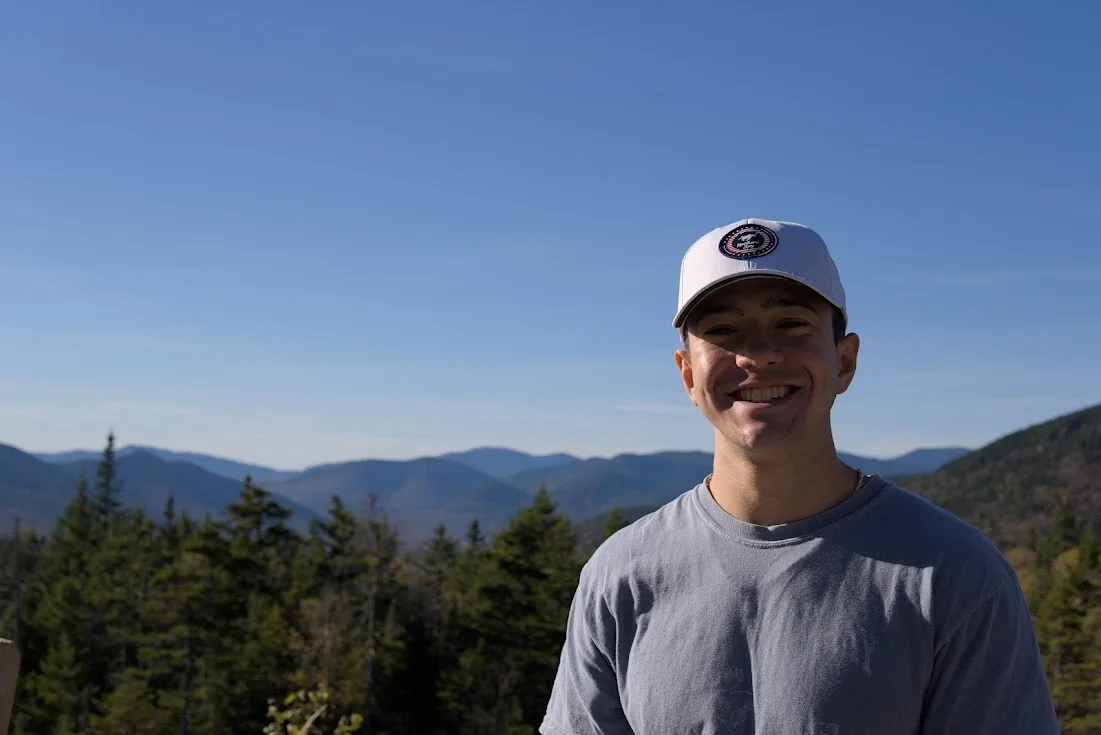
For me, skiing has never been about rhythm. It’s about breaking the rhythm. Pushing limits. I’ve always chased the edge of what feels possible: bigger jumps, faster lines, higher drops. The kind of skiing where your heart rate spikes before you even push off. There’s an intensity to it that I’ve never found anywhere else. It feeds me a mix of fear and focus that forces me to clear my mind and commit completely. You can’t half-send a line or second-guess yourself halfway through the air. Every jump is a test of confidence, every landing a reminder of how much control and chaos coexist on the mountain.
I’ve spent winters launching off natural features, building kickers with friends until sunset, and seeking out that perfect run that demands everything you’ve got. It’s addictive. The cold air in your lungs, the sound of wind rushing past your helmet, the split-second decisions that separate a clean landing from a crash. It all adds up to something that feels alive in a way few other things do.
That drive caught up to me this past February. An icy landing tore my ACL and meniscus, and partially tore my MCL. It was the kind of injury that stops you cold. Not just physically, but mentally. Skiing had always been my outlet, my challenge, and suddenly I had to step away from it completely. Rehab has been slow, deliberate, and humbling, but it’s also reminded me why I love the sport so much in the first place. Pushing the limits means accepting the risks, learning from the setbacks, and coming back stronger.
This season will be a light one for me (more watching from the sidelines than sending it) but I’ll be back in full force for the 2026-2027 season. The mountains aren’t going anywhere, and neither am I.
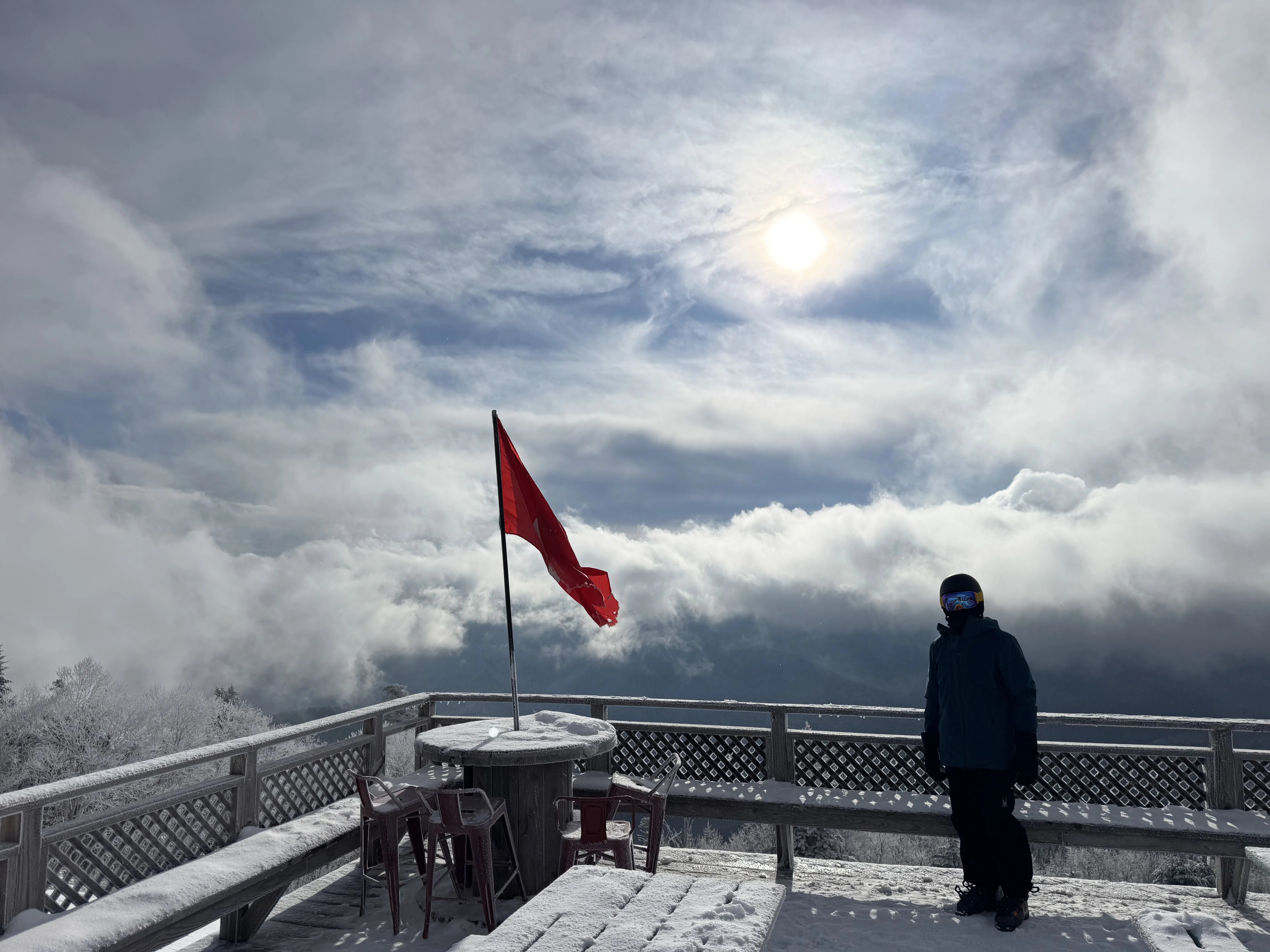
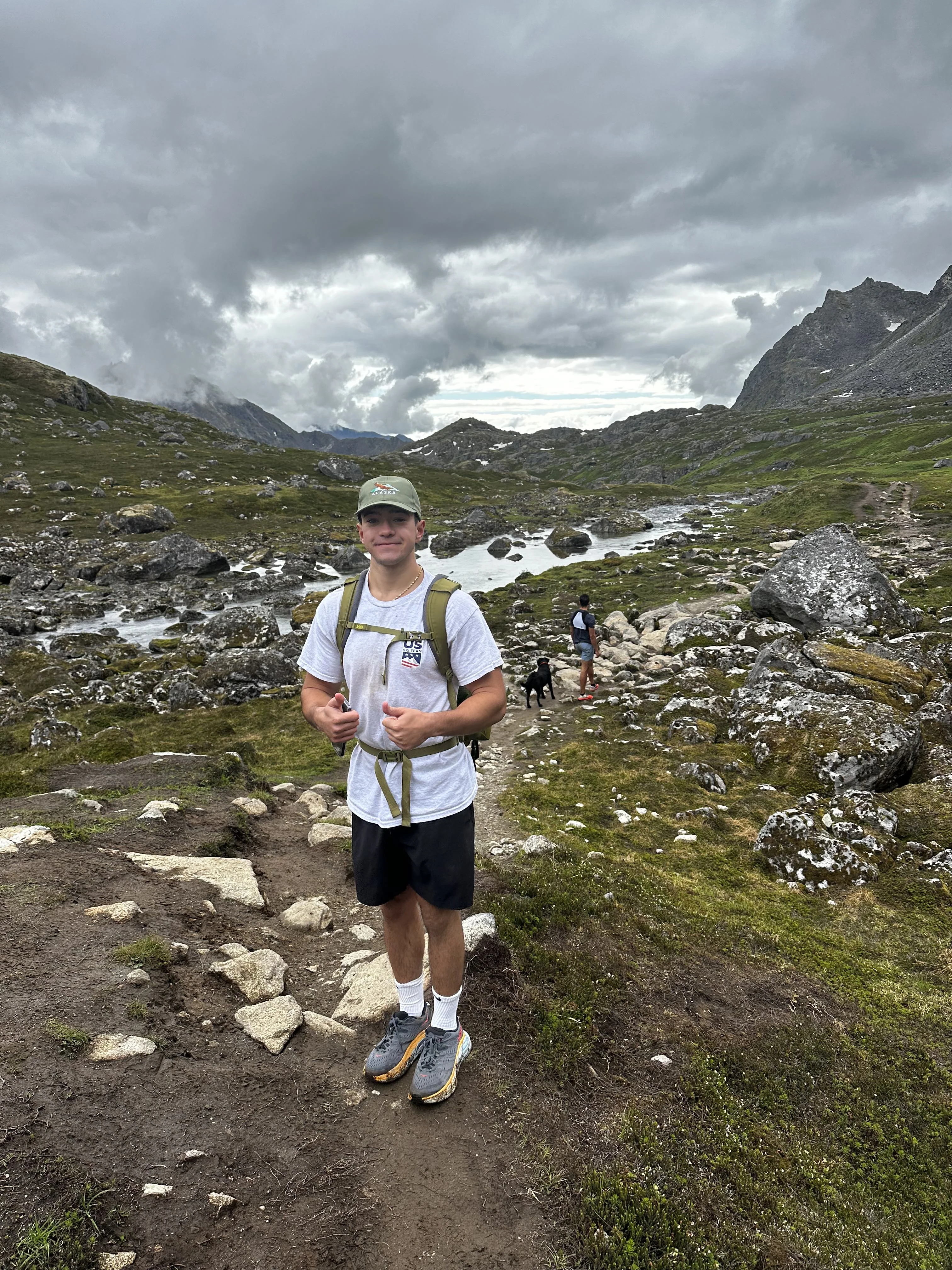
I grew up hiking with my family. It started as weekend trips - half the time I didn’t even want to go, but I was always motivated by my parents with candy. It didn’t take long for me to start enjoying it. The early drives north, the fog lifting over Franconia Notch, the first stretch of trail when everyone’s still quiet. We worked through the 4,000-foot peaks of NH over the years, one hike at a time (sometimes a few peaks in one route), until I knew the entirety of the white mountains by heart. Each climb had its own kind of difficulty, its own kind of reward. Some were brutal climbs that ended in cloud cover and wind, others opened up to clear skies and stunning view that made the effort worth it.
Hiking taught me patience before I realized that’s what it was doing. You can’t rush the trail. You deal with what’s in front of you: mud, roots, rain, snow, rock scrabmles, whatever, and you just keep moving. It’s a lesson that shows up everywhere else in life, but you only notice it when you’re hours in and your legs are burning. The White Mountains have a way of humbling you no matter how confident you start out. You learn to respect them or you pay for it.
The overnight trips became my favorite. Packing a small tent and sleeping bag, carrying everything you need on your back, and setting up camp a few miles from the nearest road. It changes how you think about comfort. You cook whatever fits in your pack, sit by a small fire, and listen to the woods settle down around you. Mornings come cold and early, but there’s nothing like unzipping the tent to a view you actually earned. Those quiet moments between climbs, when it’s just the sound of wind and trees, are the reason I keep going back.
I still hike as often as I can. Sometimes it’s a quick day trip, sometimes a full weekend, but it always resets something in me. The mountains have seen me grow up. They’ve seen goodyears and bad ones (mostly good), injuries and recoveries, and everything in between. Every trail feels different now, but the pull to keep going is the same. It’s not about chasing summits anymore—it’s about being out there and remembering where I came from.
As a kid, I was always an explorer. That usually meant climbing on things that weren’t meant to be climbed - child gates, fences, trees - anything that looked remotely challenging. Rock climbing was a natural next step. I started climbing with my dad when I was in elementary school, mostly top roping. It was slow, deliberate, and focused on learning the fundamentals: foot placement, grip, balance, trust in the rope. I liked the feeling of reaching the top, but what really drew me in was the process. Every route felt like a problem to solve—physical, but also technical. You had to think, adjust, and commit. I climbed for a few years, then moved away from it for a while as other things took priority.
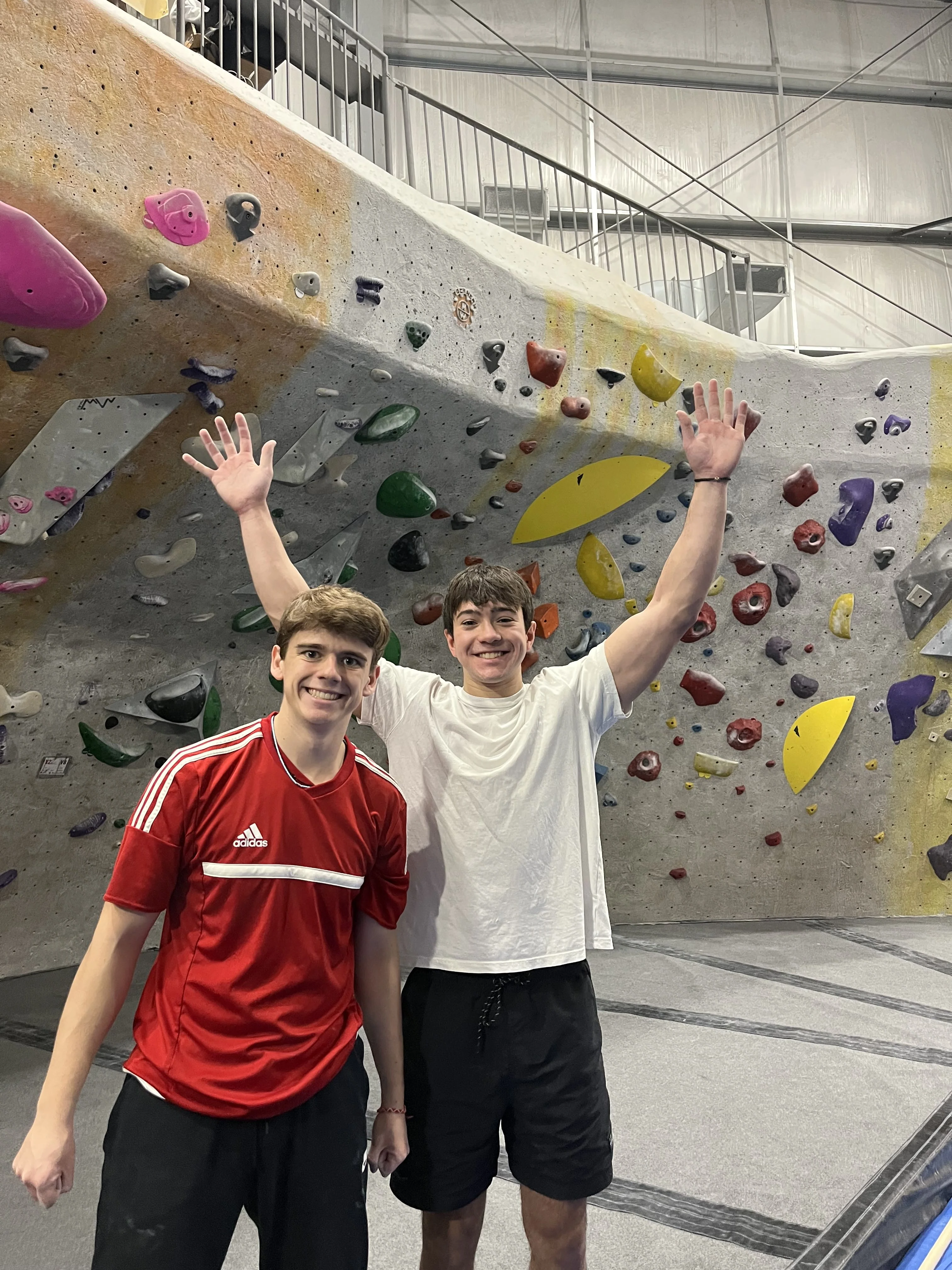
I found my way back to climbing during my senior year of college with my friend Liam. This time, it was all bouldering—short, powerful climbs where every move counts. It’s a completely different kind of challenge. There are no ropes, no safety net, just raw strength, precision, and focus. You fall often. Most sessions are spent repeating the same problem over and over until something finally clicks. But that’s what makes it addictive. The feeling of finally sticking a move you’ve missed twenty times before is unmatched. It’s equal parts frustration and satisfaction; controlled chaos that rewards persistence.
My injury has kept me off the wall for a while, but I’ll be back soon. Climbing doesn’t give anything away easily, and that’s what I love about it. Every bit of progress is earned. It forces you to show up, to think clearly under pressure, and to trust your own strength. It’s one of the few things that completely clears my head, and I’ve missed that focus more than anything.
The outdoors has always been where I figure things out. It’s the one place that never demands anything but effort and presence. Whether I’m hiking, climbing, or skiing, it forces me to focus in a way nothing else does. Every challenge - steep trail, rough weather, or long climb - strips away distractions until it’s just about what’s right in front of me. It teaches patience, discipline, and respect for limits, but also how to push past them when it counts.
Out there, you can’t fake progress. You either make it to the top, or you don’t. You either learn from the setback, or you repeat it. That honesty is what keeps me coming back. The mountains, the trails, the cliffs, they all have a way of humbling you and reminding you that growth doesn’t happen when things are easy.
The outdoors reminds me how small we are compared to everything around us, but also how capable we are when we keep moving forward. It’s where I’ve learned to handle discomfort, to stay calm when things don’t go to plan, and to appreciate the small wins that build into something bigger. Whether it’s a cold morning before a hike or a quiet evening after a long climb, that feeling is always the same. Clarity. Being outside resets everything. It’s just you, your effort, and the world that’s still out there waiting.