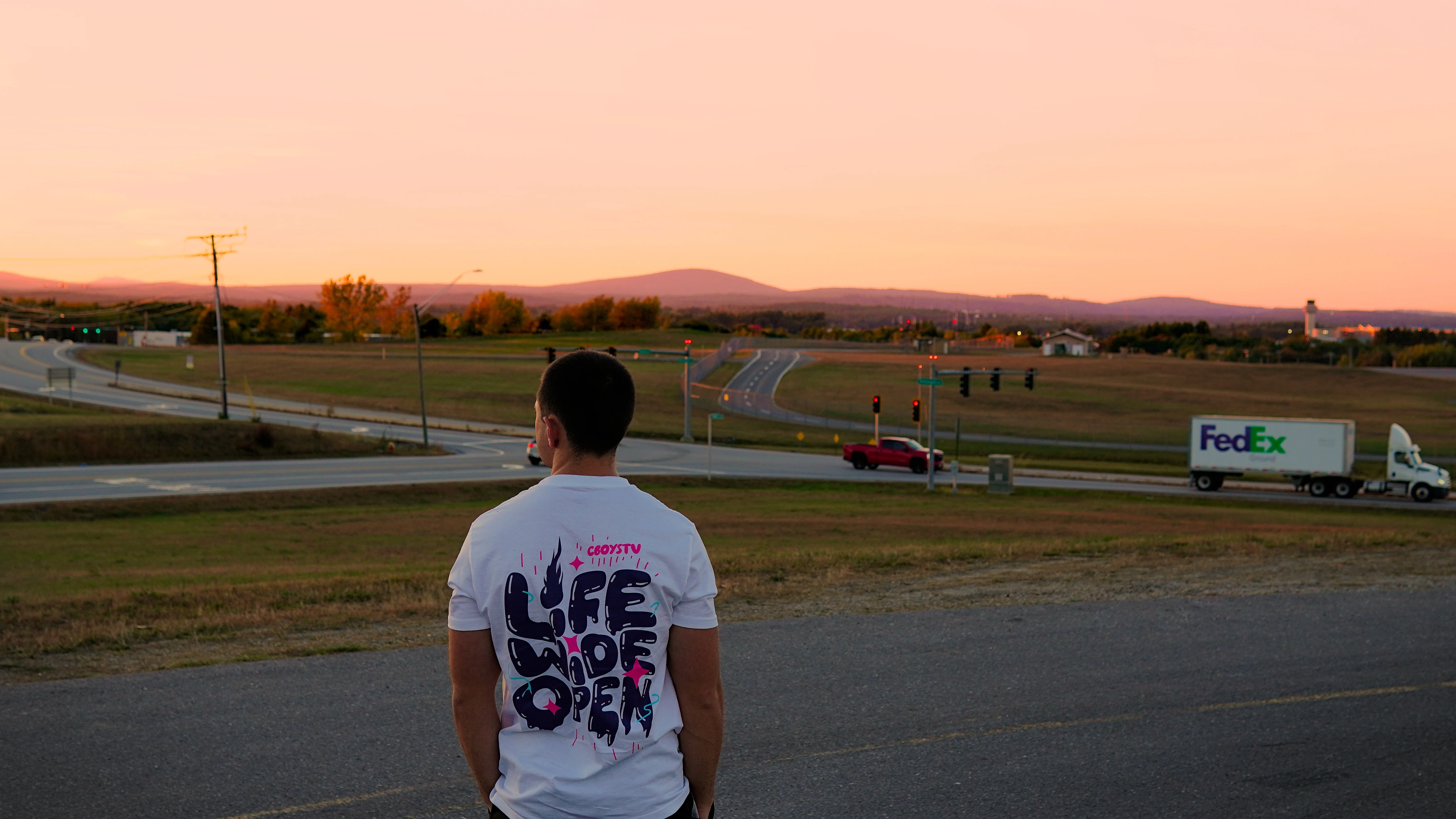
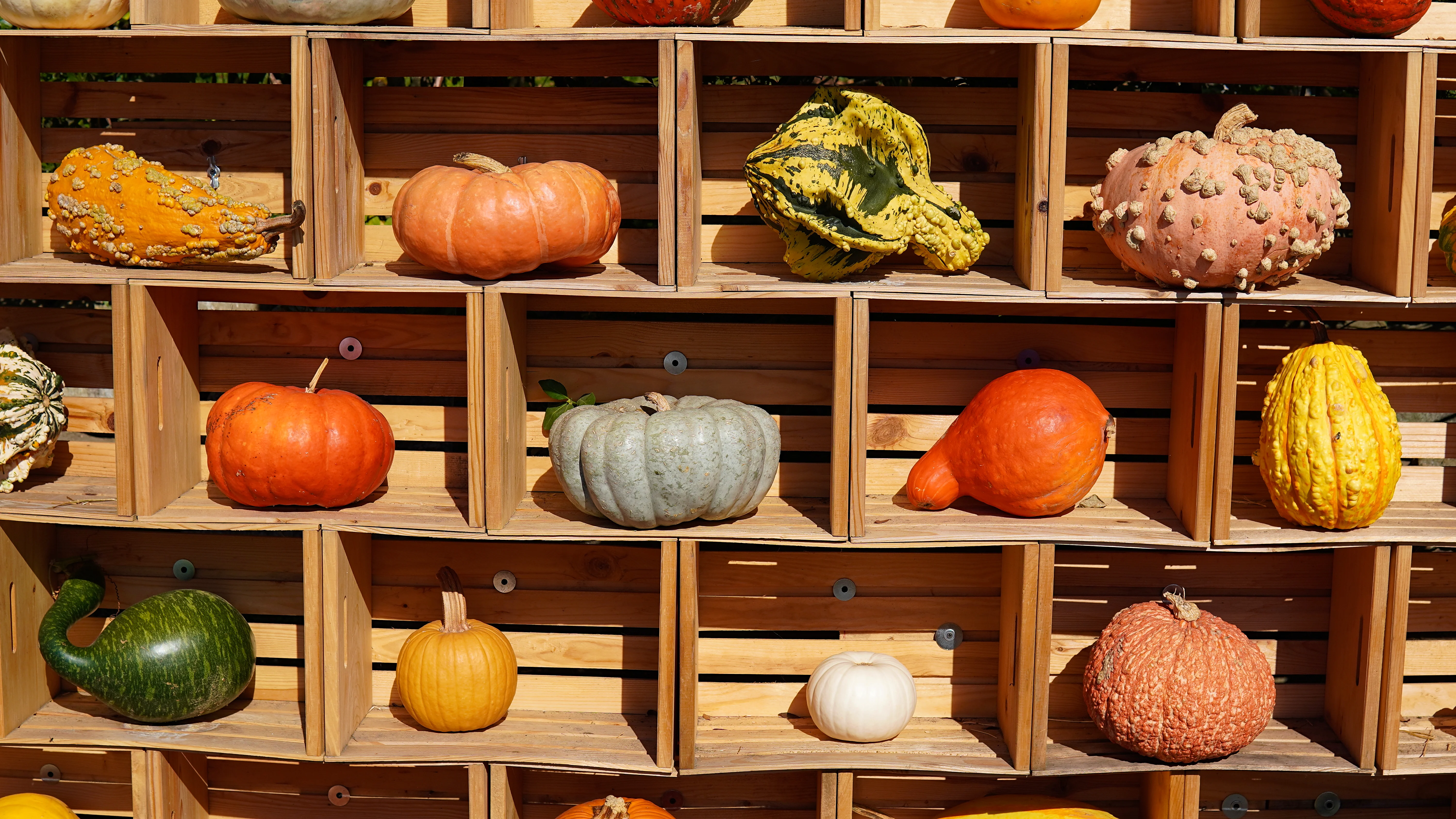
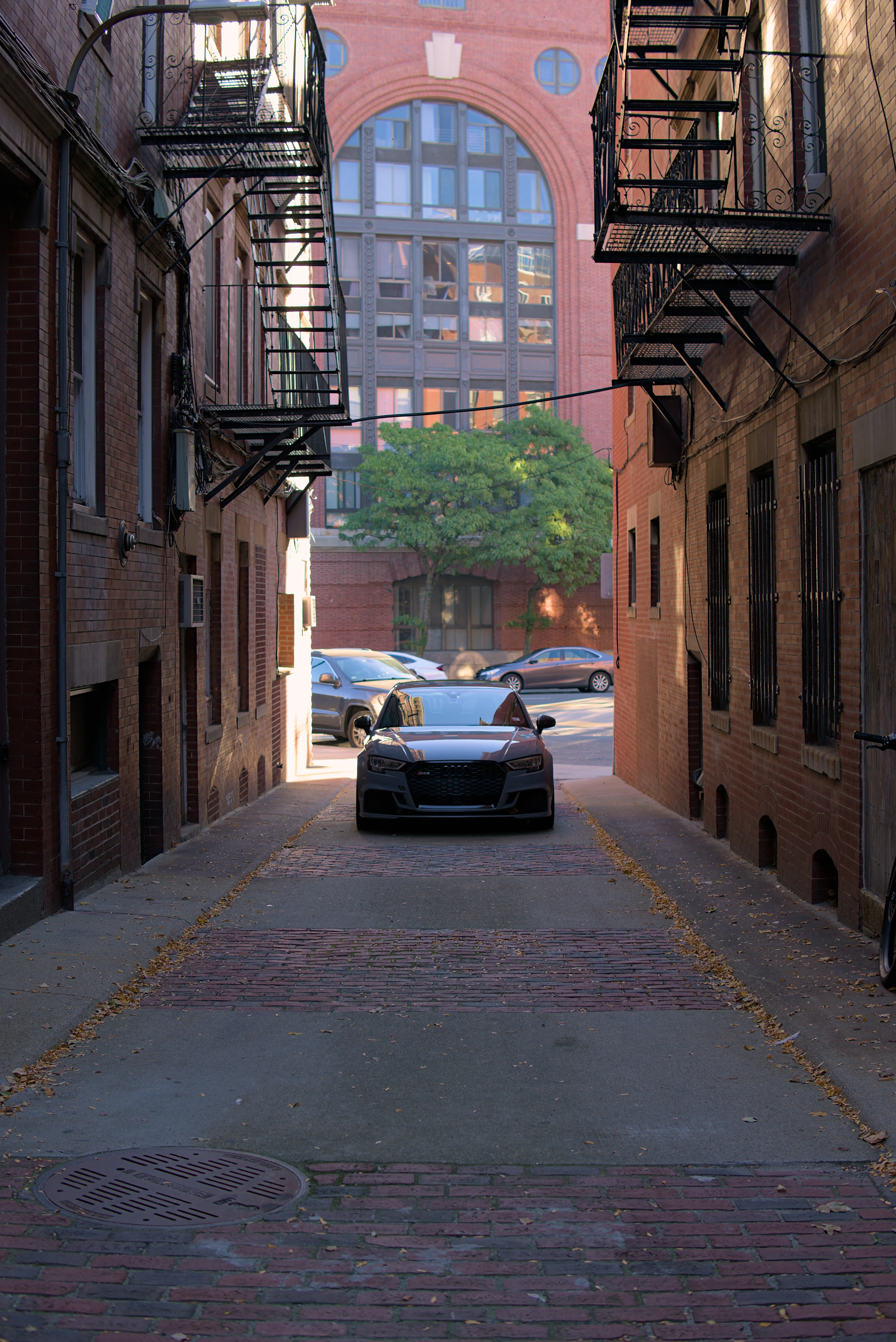
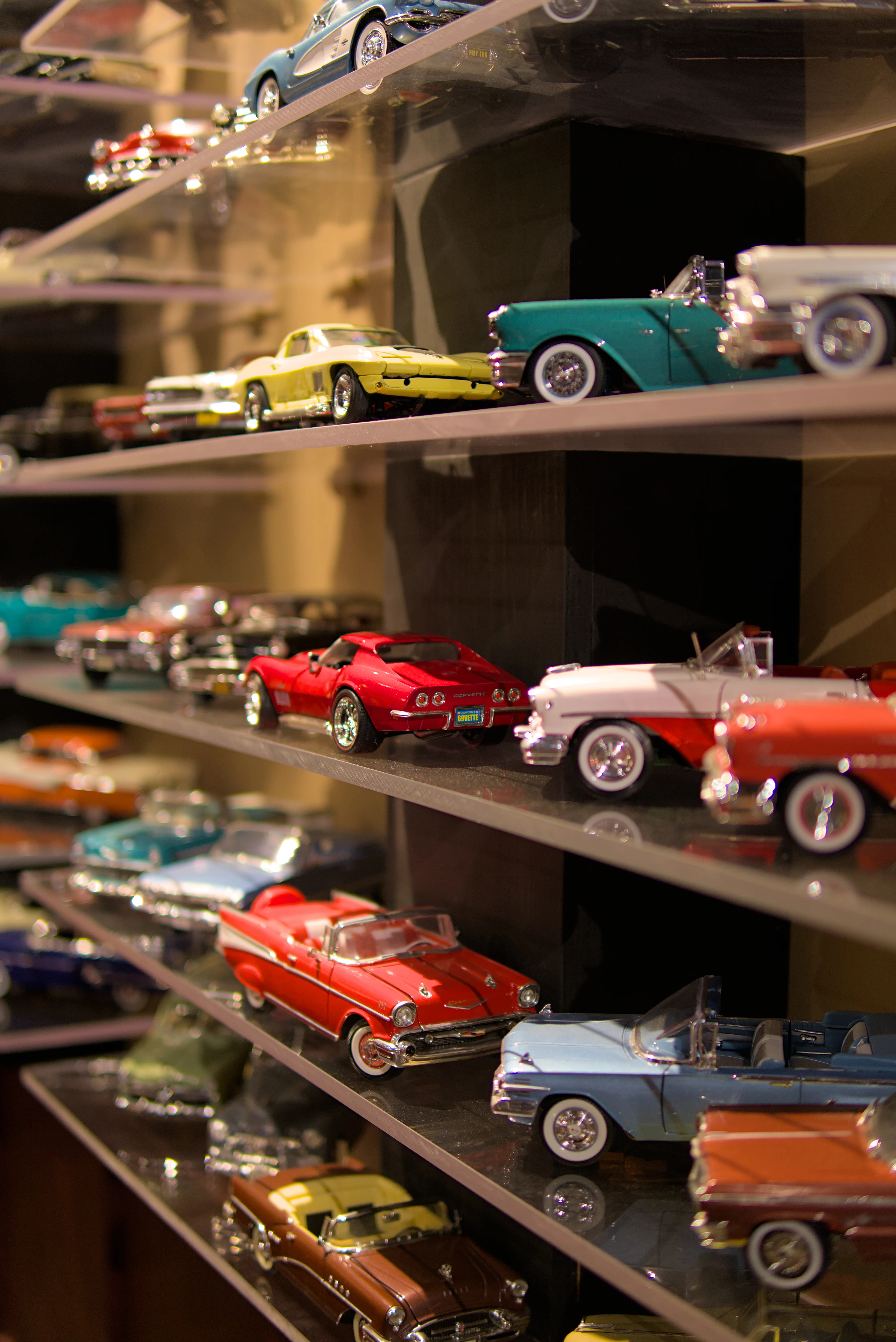
Photography started out simply as a way to document moments from car meets, weekend trips, and outdoor adventures. Over time, though, it's become a genuine creative pursuit. There's something deeply rewarding about capturing light and motion in a way that feels intentional about freezing a moment that otherwise would've just slipped by. Photography blends the precision of engineering with the intuition of art; it demands timing, balance, and an understanding of how small changes in focus, exposure, or composition can completely alter a story.
I'm drawn to the technical side as much as the creative. Learning how aperture, ISO, and shutter speed interact reminds me of debugging or tuning performance in code — every variable affects the outcome, and finding that balance between control and chaos is part of the fun. Whether it's experimenting with depth of field to isolate a subject, adjusting white balance to match the tone of a scene, or chasing the right light at golden hour, the process has taught me patience and awareness.
Like engineering, photography is iterative. You take a shot, analyze what worked and what didn't, and adjust for next time. It's not about perfection. It's about progress. It's about refining how you see and communicate through your lens. Some of my favorite photos weren't planned; they came from being in the right place, paying attention, and letting instinct take over. That mix of structure and spontaneity is what makes it so addictive.
Over time, I've started to see patterns between photography and problem-solving in general. Both require an eye for detail, a sense of design, and an ability to step back and look at the bigger picture. Whether I'm shooting cars, landscapes, or city scenes, each photo is a small engineering problem — one where physics, creativity, and timing have to align perfectly.
Right now, my photography setup is simple and budget-friendly — perfect for learning and growing into the craft. I shoot with a Sony ZV-E10, a compact APS-C mirrorless camera that's lightweight but capable, and I pair it with a Sigma 30 mm f/1.4 DC DN Contemporary lens. It's a fast, sharp prime that gives me a great balance between portrait depth and general-purpose versatility, especially for low-light or automotive shots.
Since I'm learning, I focus on getting the most out of a small kit. I'm still experimenting with aperture to control depth of field, trying different lighting angles, and understanding how shutter speed changes the feel of motion. Most of my shots are handheld and natural-light, which forces me to be play around a bit with exposure and composition.
For editing, I use Darktable, an open-source alternative to Lightroom. It's completely free, and it gives me full control over RAW files. This includes color grading and tone curves to highlight recovery and lens correction. My workflow usually starts with adjusting exposure and contrast, then fine-tuning color balance to match the mood of the scene. I keep my edits subtle; enough to emphasize what drew me to the shot, without over-processing.
This setup might be modest, but it's teaching me the fundamentals: how light behaves, how to compose with intention, and how to bring out a photo's character through editing. Over time, I plan to expand my kit, but for now, I'm focused on mastering the gear I have. I am always open to tips and gear suggestions!
Sony ZV-E10
A compact APS-C mirrorless camera built for hybrid shooting. Great color science, fast autofocus, and lightweight for travel.
Sigma 30mm f/1.4 DC DN
A sharp, fast prime lens that balances beautiful depth of field with versatile framing for portraits, street, and automotive photography.
Darktable
A free, open-source photo editing suite with powerful RAW processing tools for color, tone, and composition.